JIEBO Instrument · JIEBO-CS2020
CS2020 High-frequency Infrared Carbon & Sulfur Analyzer
The CS2020 is a fully automated high-frequency infrared carbon and sulfur analyzer for steel, ores, finished metals and inorganic materials. Four physical detection cells cover low- and high-concentration ranges in one instrument. Auto double-brush cleaning and vacuum dust removal keep the furnace head maintenance-free for more than 200 cycles.
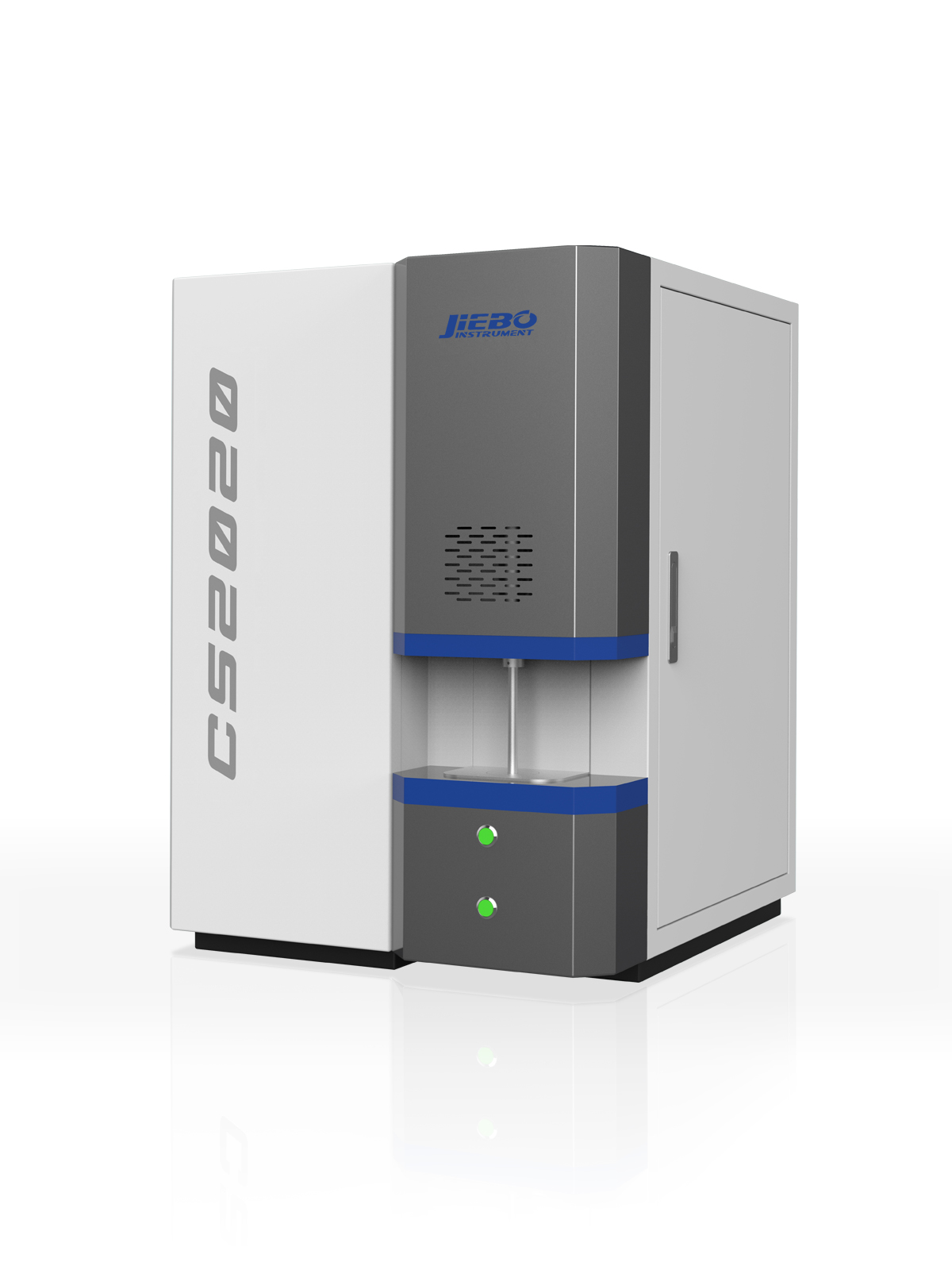
Specifications
| Detection range | Low C 0.00001–0.5 %, High C 0.1–99.99 %; Low S 0.00001–0.5 %, High S 0.1–99.99 % |
|---|---|
| Detection cells | Four physical detection cells |
| Analytical precision | C ≤ 0.001 mg (1 ppm) or 0.5 % RSD; S ≤ 0.001 mg (1 ppm) or 0.5 % RSD |
| Sensitivity | C 0.00001 %, S 0.00001 % |
| Analyzing time | 20–60 seconds adjustable |
| Operating power | AC 220 V / 50 Hz |
| Dimensions (L × W × H) | 600 × 645 × 830 mm |
| Weight | 110 kg |
Typical applications
- Steel and ferro-alloy production — daily C/S quality control
- Mining and ore processing — carbon and sulfur in coal, iron ore, slag
- Aerospace and new-energy materials — trace C/S verification
- Cement and building materials — sulfur in raw mix and clinker
- Geological survey labs — sample throughput on rock and soil
JIEBO Instrument · Quote desk
Request a formal quote
Send your application details and our engineers will reply with model advice, lead time and pricing.
Other models in this category
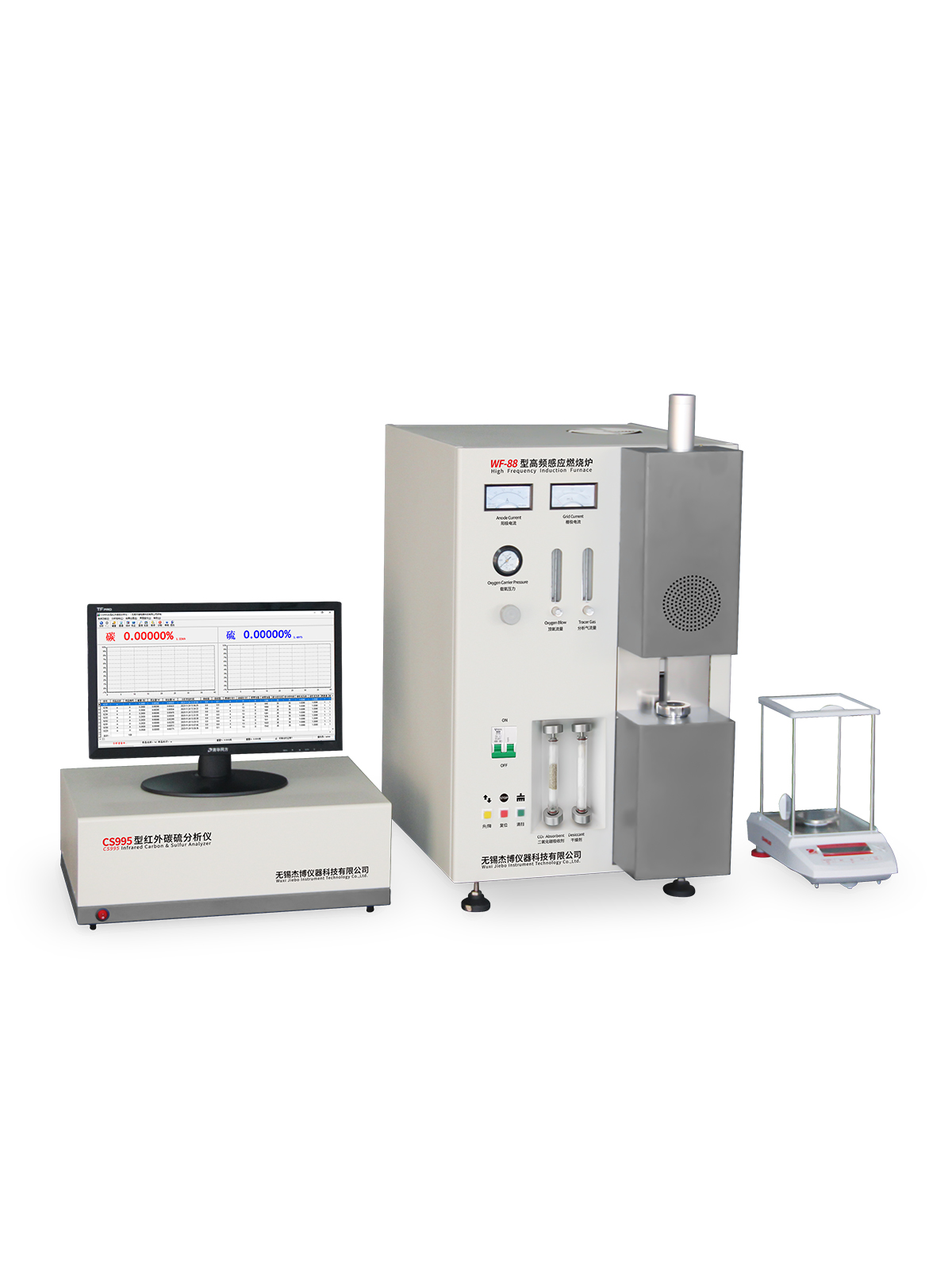
JIEBO · JIEBO-CS995
CS995 Carbon & Sulfur Analyzer
The CS995 is a bench-type high-frequency infrared carbon and sulfur analyzer with a separate bench-mounted detector and induction furnace. D…
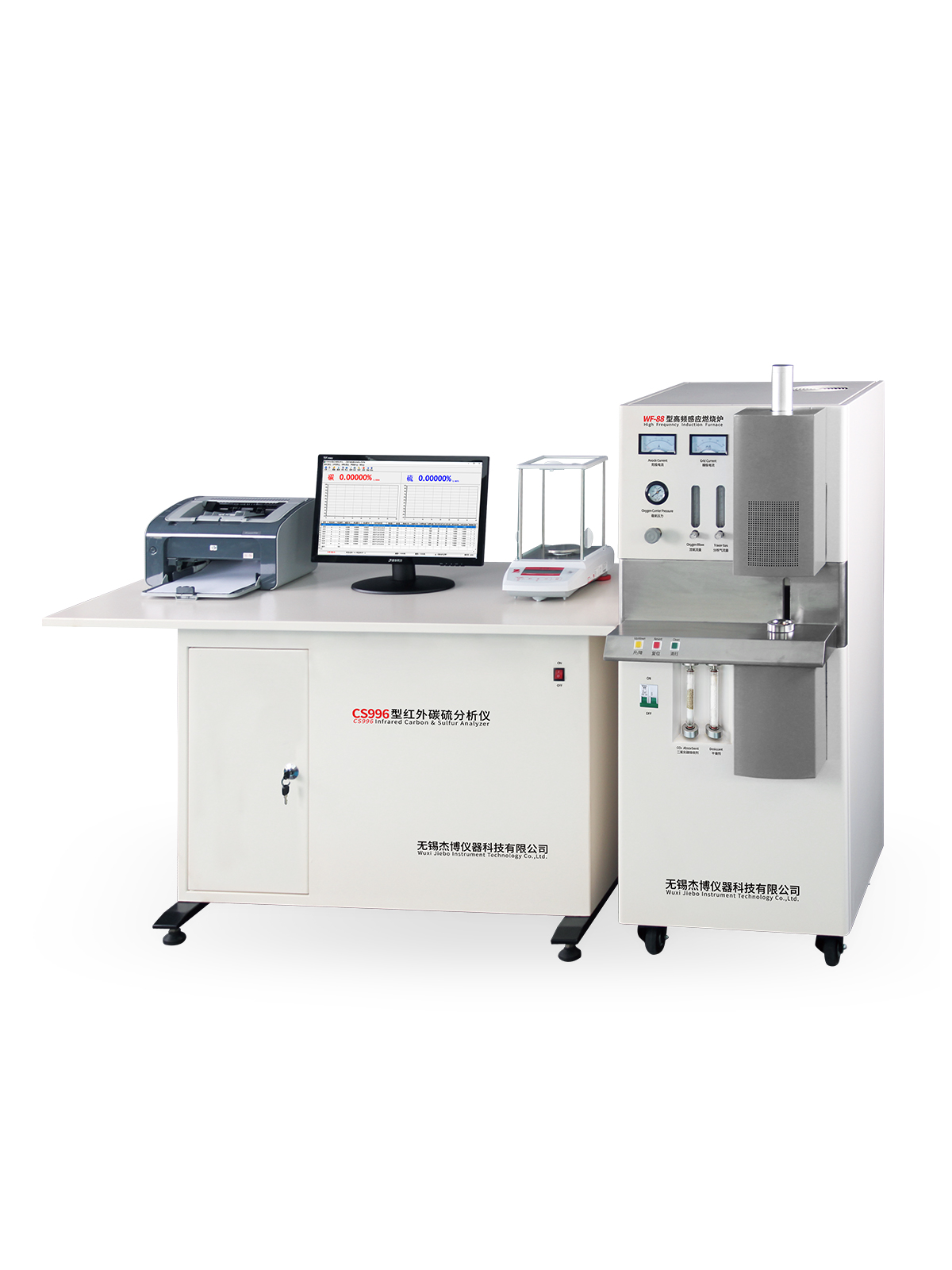
JIEBO · JIEBO-CS996
CS996 Carbon & Sulfur Analyzer
The CS996 is a floor-standing high-frequency infrared carbon and sulfur analyzer with an operating-table layout that integrates the detector…
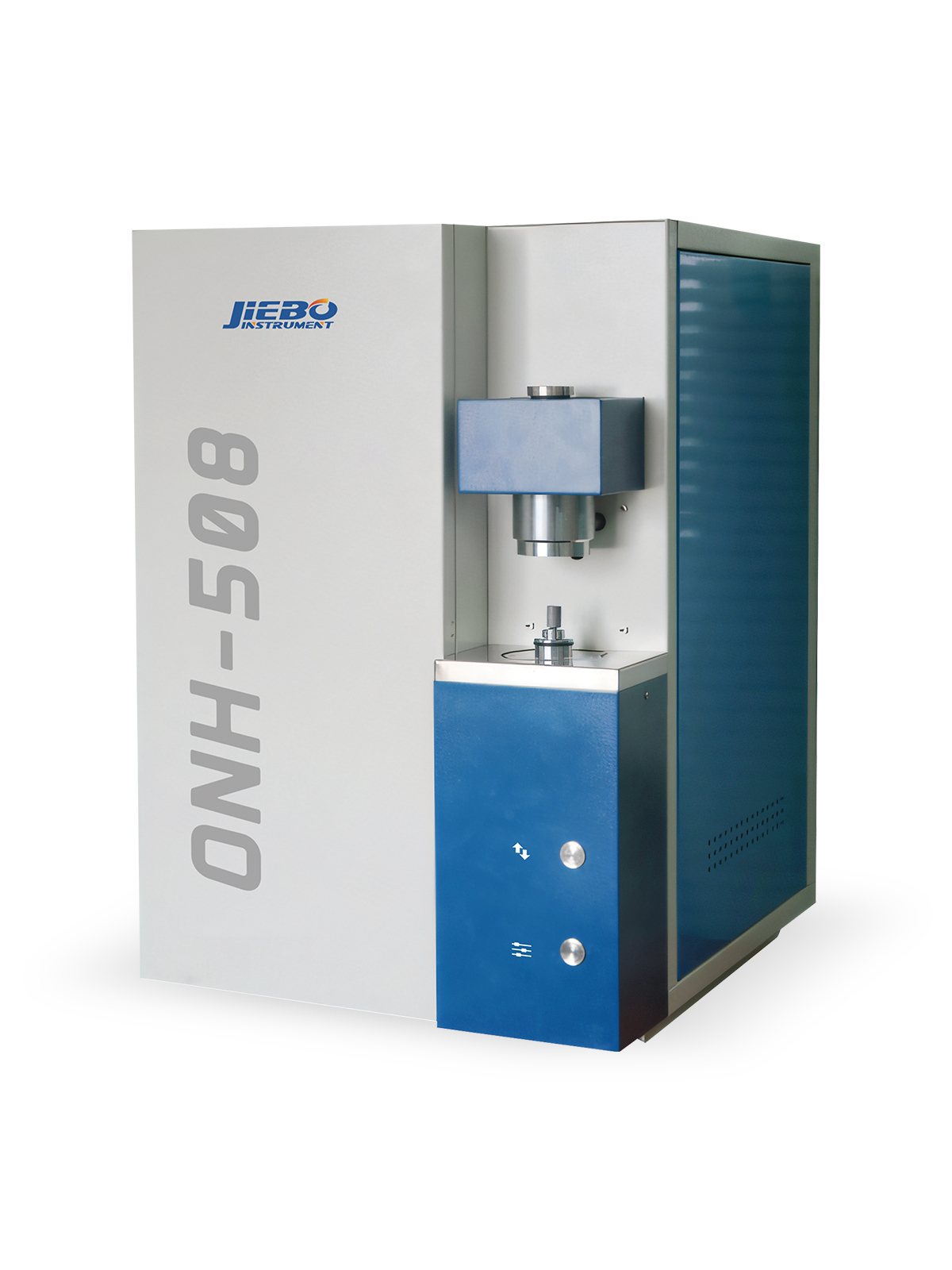
JIEBO · JIEBO-ONH508
ONH-508 Oxygen, Nitrogen & Hydrogen Analyzer
The ONH-508 simultaneously analyzes oxygen, nitrogen and hydrogen in steel, rare earth alloys, copper, zirconium, titanium, ceramics and ino…
Frequently asked questions
Why four detection cells instead of two?
Four cells (low/high C and low/high S) allow the instrument to switch range automatically without recalibration, so you can analyze ultra-low-carbon steel and high-carbon cast iron on the same shift.
Does it really go maintenance-free for 200 cycles?
The auto double-brush mechanism cleans the furnace tube between samples, and the vacuum dust system pulls particulates away before they accumulate. In real production use, 200+ cycles between manual maintenance is consistently achievable.
How is it different from the CS995 / CS996?
CS2020 has four detection cells, automatic cleaning, broader range (down to 0.00001 %) and tighter precision. CS995 is bench-type with one C and one S cell; CS996 is floor-type with expandable cells. Choose CS2020 for high-end labs, CS995/996 for production QC at lower cost.
What sample weight is required?
Typically 0.1–1.0 g depending on expected concentration. Balance accuracy 0.0001 g is required and is part of the standard package.